
MGnify Proteins release - 2026_07
spotlight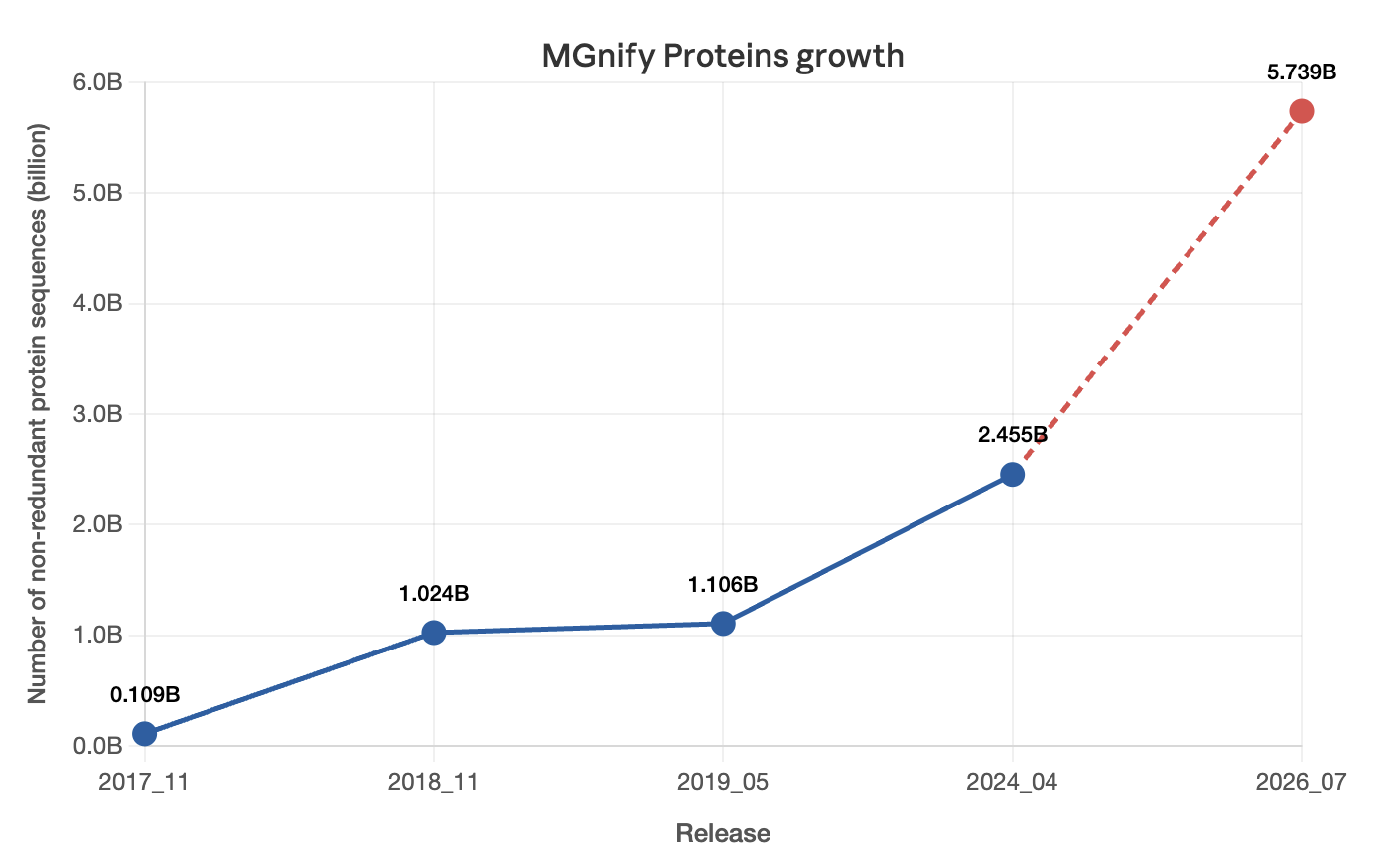 We are happy to announce a new release of the MGnify Proteins database. The last release of the database in April 2024 aggregated over 2.4 billion non-redundant protein sequences generated from publicly available metagenomic datasets. This latest release more than doubles that figure, with over 5.7 billion non-redundant protein sequences now available.
 We are excited to announce the release of an updated version of the
  In the coming months we will be expanding MGnify Genomes to include Eukaryotic genomes. Take an early look at our plans to enable users to explore Eukaryotic genomes using Anvi’o.
 We are thrilled to be presenting the latest
  We are excited to announce the launch of
 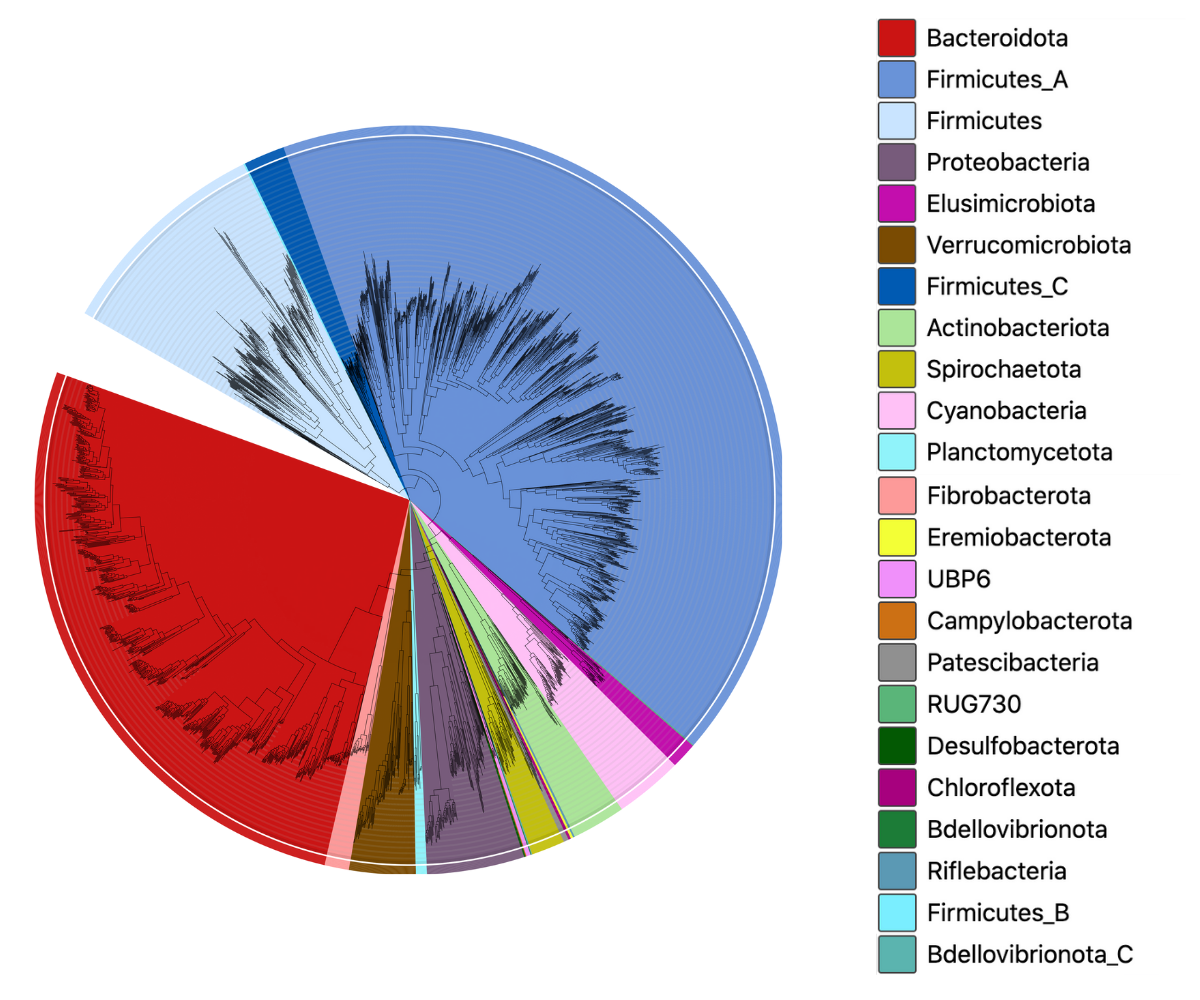 MGnify is delighted to announce the release of our latest
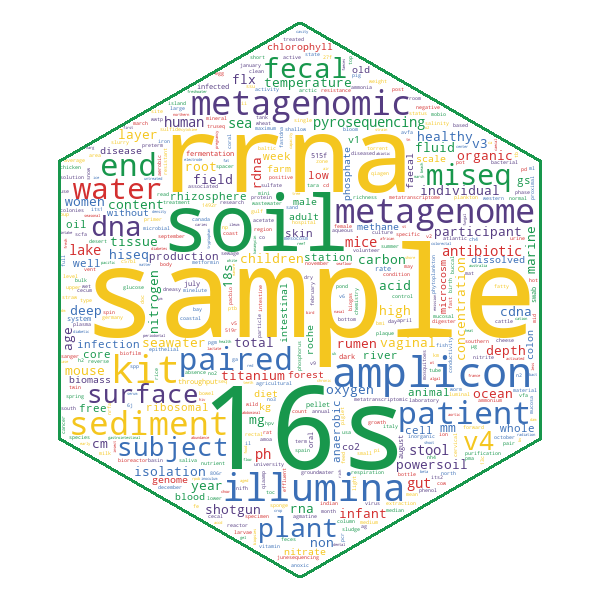 Automated annotations are now available for publications linked to metagenomic studies on MGnify, powered by
  The Earth Microbiome Project is now available in MGnify. The
  The MGnify protein sequence database comprises sequences predicted from assemblies generated from publicly available metagenomic datasets. The initial release in August 2017 comprised just under 50 million sequences; the current version contains in excess of 800 million. All sequences now have stable accessions.
 Need to compile metadata to perform trait associations using our metagenomic data? Interested in correlating species abundance with the origin of the sample to identify organisms associated with a particular environment or state? Try our latest metagenomics toolkit (called: “mg-toolkit”) - a beta version of a tool to enable scientists to download all of the sample metadata for a given study to a single csv file. Simply install as follows:

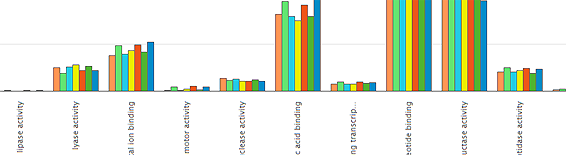 Interested in comparing the functional profile of sequencing runs within a project? Now it is possible, using our comparison tool, which provides analysis based on a slimmed-down subset of Gene Ontology (GO) terms, specially developed to describe metagenomic data.
 The microbial population (or microbiome) of the human gut is involved in a wide range of important processes, such as digestion, production of vitamins and other nutrients, detoxification, protection from pathogens, and helping to shape the host immune system. Gut microbial communities represent substantial reservoirs of genetic and metabolic diversity: different people have different types of microorganisms in their gut, and community composition can change over time or with diet.
 Plankton ecosystems contain a phenomenal reservoir of life: more than 10 billion organisms inhabit every litre of oceanic water, including viruses, prokaryotes, unicellular eukaryotes (protists), and metazoans.
Plankton’s importance for the earth’s climate is at least equivalent to that of the rainforest. Yet only a small fraction of organisms that compose it have been classified and analysed.
Plankton ecosystems contain a phenomenal reservoir of life: more than 10 billion organisms inhabit every litre of oceanic water, including viruses, prokaryotes, unicellular eukaryotes (protists), and metazoans.
Plankton’s importance for the earth’s climate is at least equivalent to that of the rainforest. Yet only a small fraction of organisms that compose it have been classified and analysed.